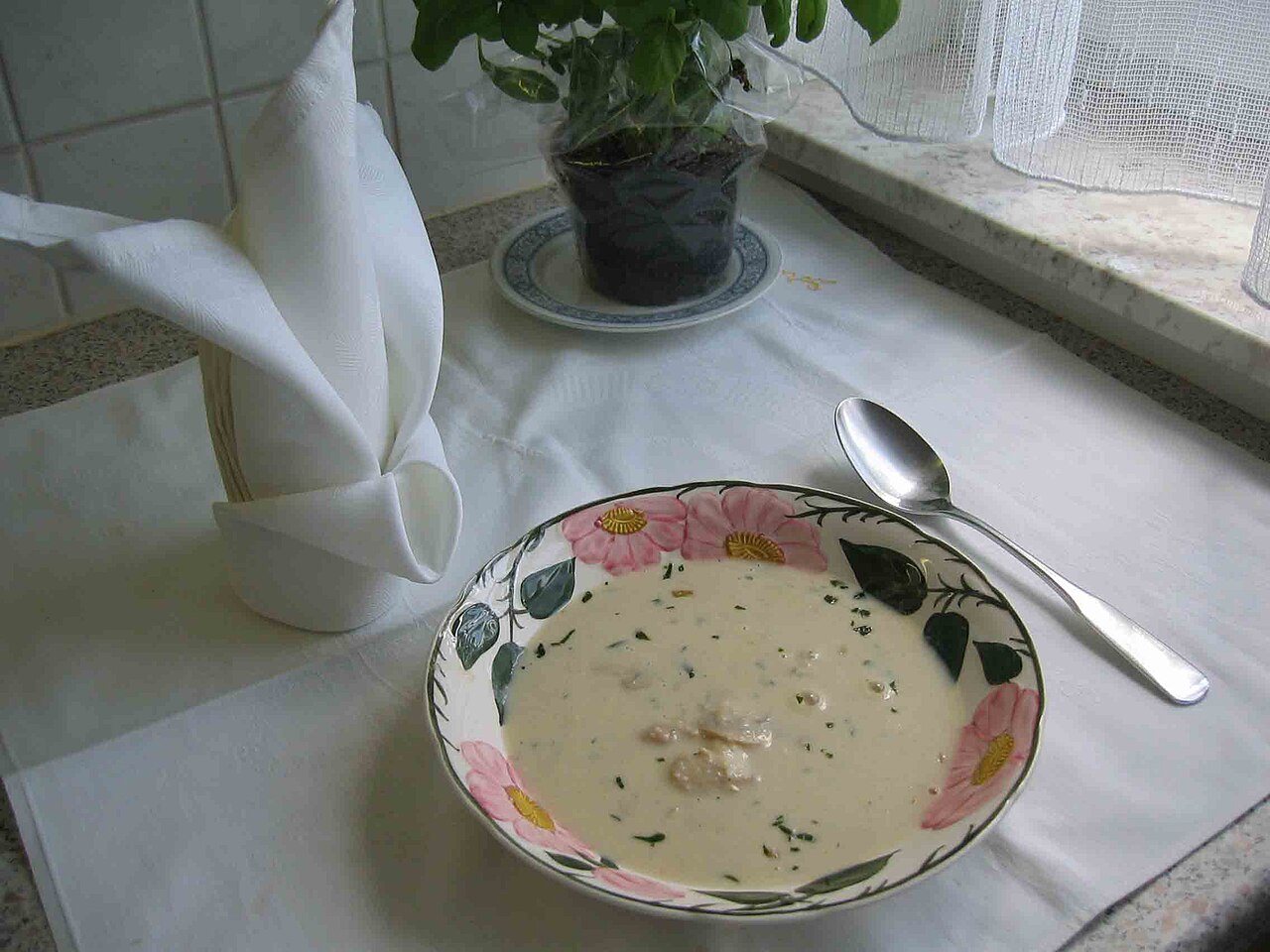
From French Origins to Casserole Icon: The Enduring History of Cream of Mushroom
The humble yet mighty can of
cream of mushroom soup is a true culinary chameleon. From its velvety texture as a standalone dish to its indispensable role as a binding agent in countless casseroles, its influence on global cuisine is undeniable. This savory elixir, centered around the earthy depth of mushrooms suspended in a rich, creamy base, boasts a fascinating lineage that stretches from the elegant kitchens of Europe to the bustling American pantry. Join us on a journey to uncover the remarkable history of this beloved ingredient, exploring how it transformed from an aristocratic delight to a symbol of comfort and convenience.
The Culinary Roots: From European Kitchens to French Grandeur
While the convenience of modern
cream of mushroom soup feels distinctly American, its fundamental concept traces back to the sophisticated culinary traditions of Europe. Food historians speculate that creamy mushroom soups began to take shape in the 17th and 18th centuries, particularly within French and Italian kitchens. This era saw the rise of refined sauces, and one of the most foundational was the *béchamel* sauce—a simple yet elegant white sauce crafted from butter, flour, and milk.
It was this béchamel, a cornerstone of classical French cuisine, that provided the perfect canvas for culinary innovation. Chefs began to adapt this versatile sauce, infusing it with the rich, earthy flavors of mushrooms. This adaptation created an early precursor to what we now recognize as
cream of mushroom soup: a luxurious, savory dish where mushrooms were cooked into a thickened, creamy base. These early versions were often labor-intensive, relying on fresh ingredients and careful technique, enjoyed primarily by the affluent classes who could afford such culinary luxuries. The addition of aromatics like onions, garlic, and fresh herbs, along with a splash of wine or stock, further deepened the complexity, resulting in an umami-rich experience that delighted palates and solidified its place in high-end dining.
America's Embrace: The Rise of a Canned Convenience
The journey of
cream of mushroom soup took a pivotal turn with its arrival and subsequent mass-market popularization in the United States. The early 20th century, marked by significant societal shifts and the economic challenges of the Great Depression, created a demand for affordable, convenient, and shelf-stable food options. Enter the Campbell Soup Company, a true innovator in the realm of preserved foods.
Building on the groundbreaking work of chemist Dr. John T. Dorrance, who invented the process for condensed soup in 1897, Campbell's introduced its condensed
Cream of Mushroom Soup in 1934. This moment was revolutionary. The ability to purchase a can of concentrated soup, requiring only the addition of water or milk to prepare a hearty meal, perfectly aligned with the needs of the era. It transformed what was once a time-consuming, homemade delicacy into an accessible pantry essential for millions of American households. This ingenious product offered an economical and simple way to add flavor and substance to meals, quickly embedding itself into the fabric of American home cooking. The convenience factor, combined with its distinct savory profile, made it an instant hit and paved the way for its iconic status.
Casserole Icon: Cream of Mushroom's Enduring Legacy
While its standalone appeal was significant, it was the soup's role as a *versatile ingredient* that cemented its legendary status in American culinary history. In the mid-20th century, as kitchens embraced efficiency and one-dish meals,
cream of mushroom soup became the undisputed cornerstone of countless casseroles and baked dishes. Its creamy texture and savory depth made it an ideal binder and flavor enhancer, effortlessly elevating simple ingredients into comforting, family-friendly meals.
The ultimate testament to its enduring legacy arrived in 1955 with the creation of the now-iconic green bean casserole. Conceived by Campbell's home economist Dorcas Reilly, this deceptively simple recipe combined condensed
cream of mushroom soup, green beans, and crispy fried onions. It wasn't just a recipe; it became a cultural phenomenon, particularly as a staple on Thanksgiving tables across the nation. As of 2020, an estimated 20 million green bean casseroles are prepared annually, a staggering testament to its unwavering popularity. This single dish perfectly encapsulated the soup's ability to transform everyday ingredients into something special, solidifying its place as a symbol of American comfort food and holiday tradition. This legacy extends far
beyond the bowl, showcasing its adaptability in a myriad of recipes.
Decoding the Deliciousness: What Makes Cream of Mushroom So Good?
What exactly gives
cream of mushroom soup its characteristic depth and irresistible allure? The magic lies in a careful balance of key ingredients, each contributing to its signature velvety texture and earthy, umami-rich flavor profile.
*
The Fungi Foundation: Mushrooms: At its heart, the soup is defined by mushrooms. Traditional recipes often call for 1 to 2 pounds (450 to 900 grams) of fresh varieties for 4 to 6 servings. Common choices include readily available button, cremini, or portobello mushrooms, but gourmet versions might incorporate wild types like chanterelles or shiitake. These fungi are crucial for delivering the soup's signature earthy *umami* flavor, thanks to naturally occurring glutamates. When sliced or chopped, they also provide a tender, meaty texture that adds satisfying substance.
*
The Velvety Base: Cream and Milk: The luxurious, creamy consistency is typically derived from ½ to 1 cup of heavy cream, half-and-half, or whole milk for 4 to 6 servings. These dairy components not only impart a rich mouthfeel but also perfectly balance the mushrooms' savoriness, creating that smooth, velvety finish. For those seeking a lighter alternative without sacrificing flavor, milk serves as an excellent substitution.
*
The Thickening Secret: Roux and Fat: A crucial element for the soup's body is a roux, a mixture of fat and flour. Typically, 2 to 4 tablespoons of butter (or a neutral oil) are used for sautéing the mushrooms and aromatics, contributing a subtle nutty flavor and aiding in the release of the mushrooms' aromas. Subsequently, 2 to 3 tablespoons of all-purpose flour are whisked into the melted butter to create the roux, which then thickens the liquid base to the desired consistency.
*
Aromatic Enhancers and Depth: Beyond the core ingredients, aromatics play a vital role. Onions and garlic are sautéed to build a flavorful foundation. Herbs like thyme, rosemary, or parsley add a fresh, fragrant note. For added depth, chicken, vegetable, or mushroom stock is often incorporated. A splash of sherry or white wine can introduce a subtle acidity, brightening the overall flavor profile.
Understanding these components not only demystifies the soup's appeal but also empowers home cooks to experiment. Many enthusiasts now choose to make their own version from scratch, recognizing that a homemade bowl offers a flavor experience that is "WAY better" than its canned counterpart, offering a freshness and complexity that packaged versions struggle to replicate.
Beyond the Bowl: Modern Adaptations and Culinary Versatility
Today, the legacy of
cream of mushroom soup continues to evolve, reflecting its enduring adaptability in global cuisines. While the classic preparations remain beloved, variations abound, catering to diverse palates and dietary needs. Gourmet versions now feature exotic wild mushrooms, artisanal broths, and fresh, vibrant herbs, elevating the soup to fine dining status. On the other end of the spectrum, recognizing its role as a pantry staple, manufacturers offer low-sodium, organic, and even vegan adaptations, ensuring its accessibility to a wider audience.
Beyond its identity as a comforting soup, it maintains its celebrated role as a powerful culinary tool. It continues to be a go-to ingredient for creating creamy sauces for pasta, enriching gravies, binding meatloaves, and forming the base of numerous baked dishes and gratins. Its ability to impart a rich, savory, and velvety texture with minimal effort has secured its place in both traditional and contemporary cooking. From its humble origins in European kitchens to its ubiquitous presence in the American home,
cream of mushroom soup truly embodies a remarkable journey of culinary evolution and enduring appeal.
Conclusion
The journey of
cream of mushroom soup is a testament to its remarkable versatility and timeless appeal. What began as a refined, labor-intensive dish in 17th-century European kitchens, leveraging the elegance of béchamel sauce, transformed into an accessible, convenient staple during the American Great Depression thanks to Campbell's innovative canning methods. From there, it cemented its icon status, particularly through its starring role in the beloved green bean casserole, becoming an integral part of American culinary tradition. Whether enjoyed as a comforting bowl on a chilly evening or acting as the secret weapon in a cherished family recipe,
cream of mushroom soup has proven itself to be far more than just a simple can. It is a symbol of ingenuity, comfort, and enduring flavor that continues to adapt and delight palates across the globe.